Regenerative Economics & Local Business Vitality
-
Residents consistently identified a lack of clear communication channels and meaningful community engagement processes surrounding ongoing development activity in Coney Island. This gap has contributed to limited awareness of project timelines, reduced opportunities for resident input, and a sense that economic decision-making is often disconnected from the lived realities of the neighborhood.
Strengthening transparency, accessibility, and two-way communication between developers, institutions, and the community emerged as a key priority for building trust and ensuring that local voices are centered in future economic planning.
-
The establishment of a new Business Improvement District (BID) presents a significant opportunity to strengthen coordination among local businesses and increase collective advocacy around neighborhood development priorities. Residents and stakeholders noted that a well-structured BID could serve as a platform for aligning economic investment with community-defined goals, supporting small business stability, and amplifying the needs of year-round residents.
When effectively leveraged, this structure has the potential to bridge communication gaps between businesses, developers, and the broader community, ensuring that economic growth reflects local interests and conditions.
-
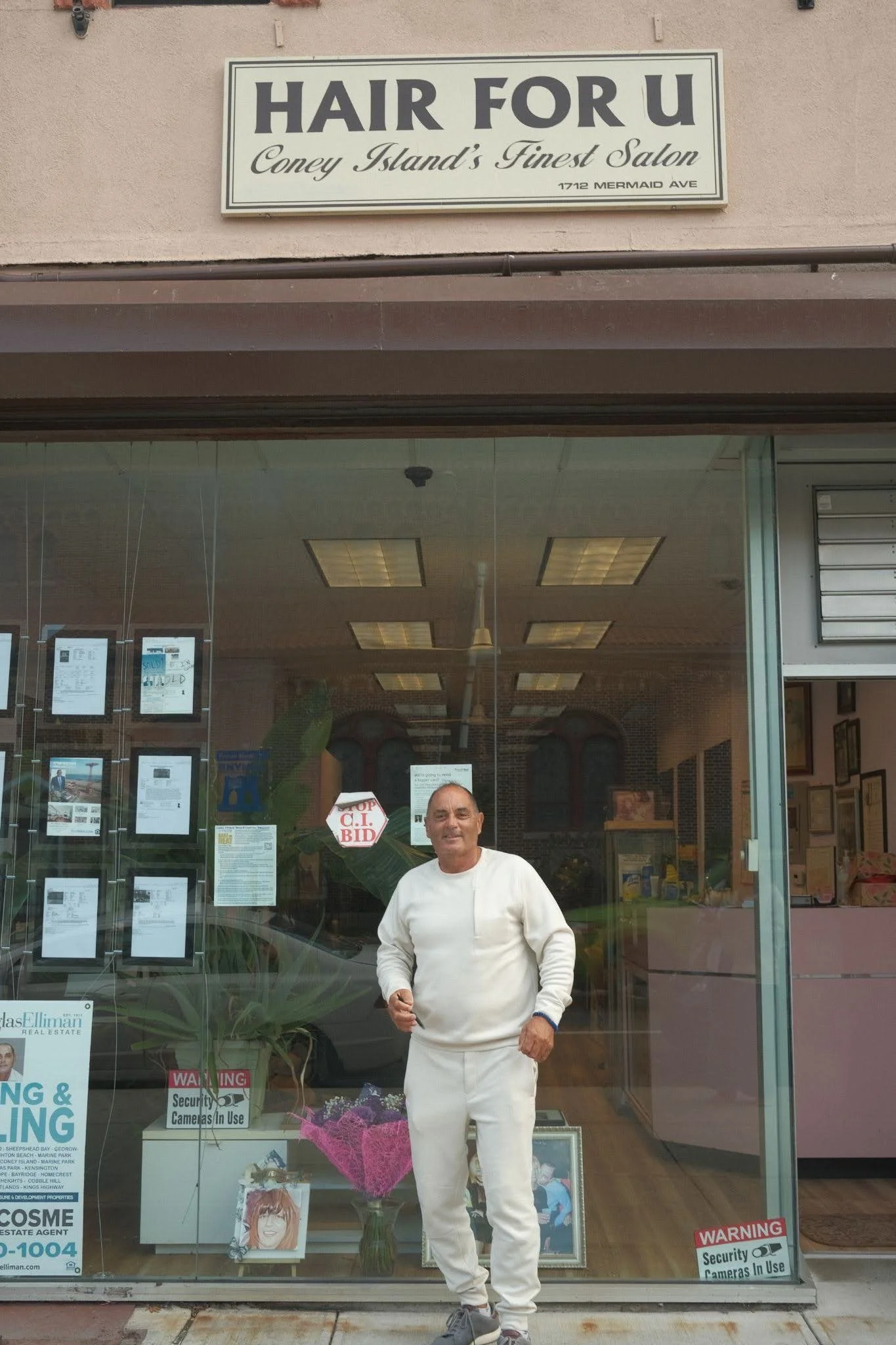
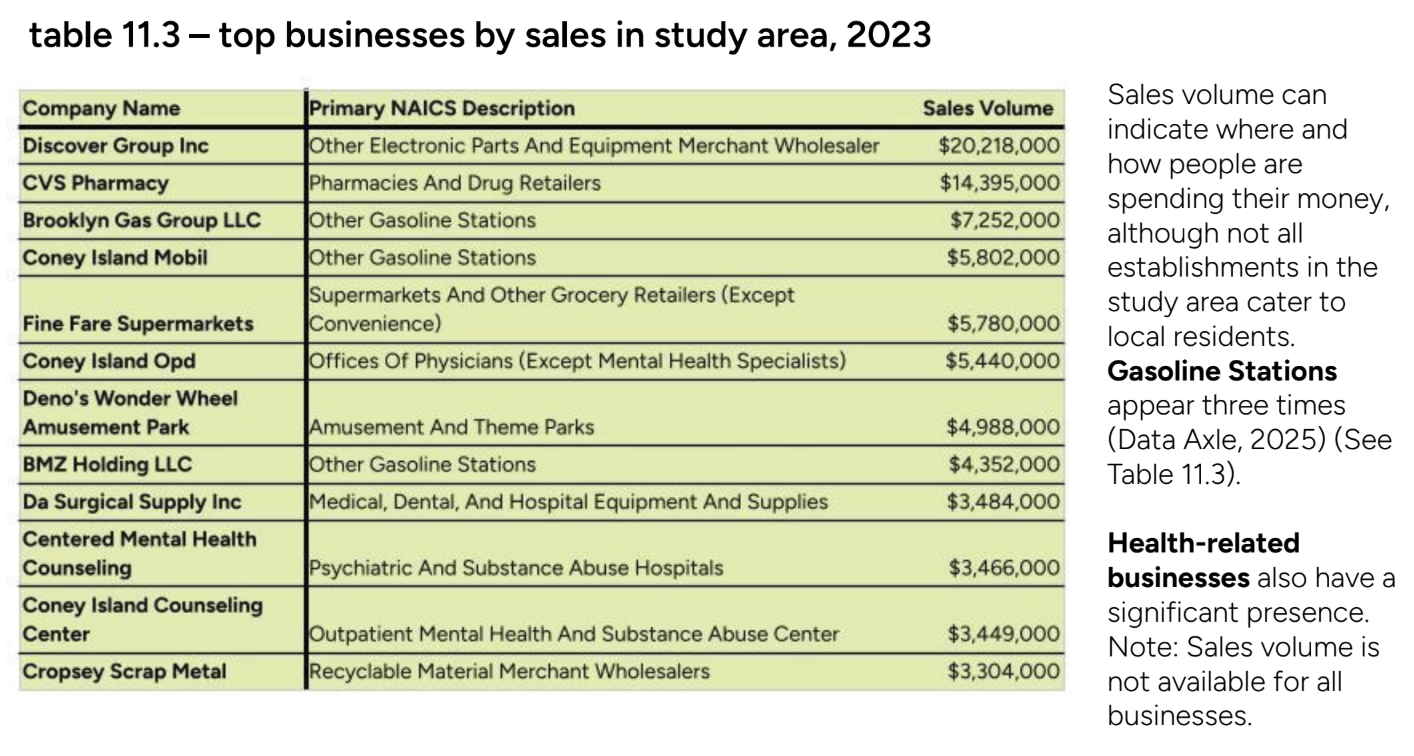
Coney Island’s commercial landscape is characterized by a strong seasonal economy concentrated along Surf Avenue and the Boardwalk, where tourism-oriented businesses dominate activity during peak months. In contrast, Mermaid Avenue — the neighborhood’s primary year-round commercial corridor — faces persistent vacancy and underutilization, with more than 20 vacant storefronts within an estimated 100–150 unit commercial inventory.
These gaps in occupancy disrupt streetscape continuity, limit access to essential goods and services for residents, and reinforce a split between seasonal visitor economies and everyday neighborhood needs. Addressing this imbalance was identified as critical to supporting a more stable, resident-serving local economy.
Neighborhood Business & Employment Overview
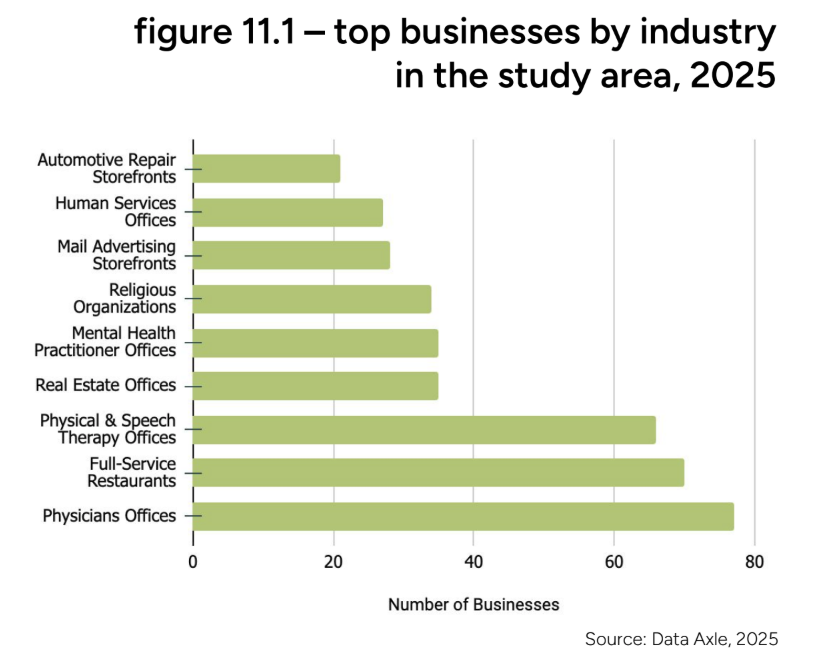
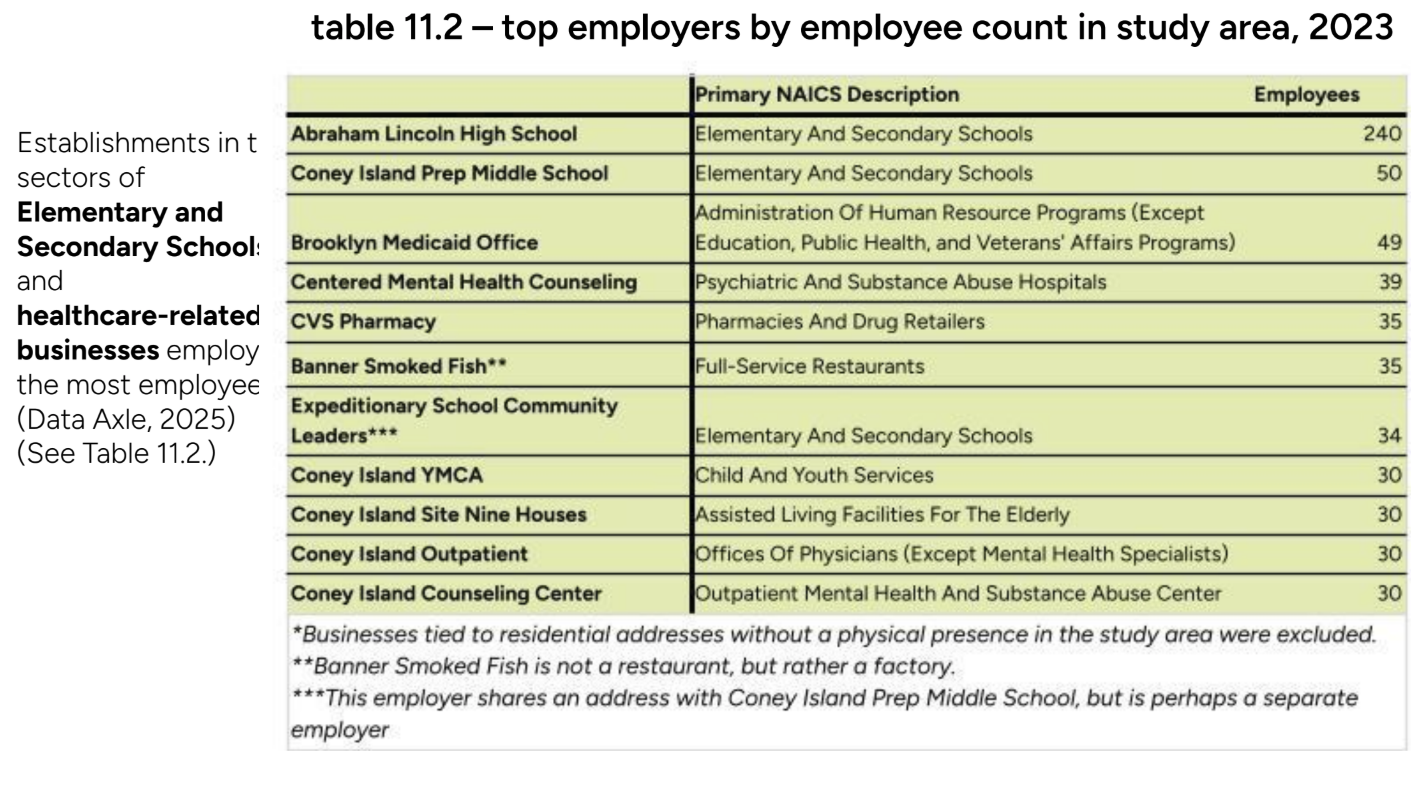
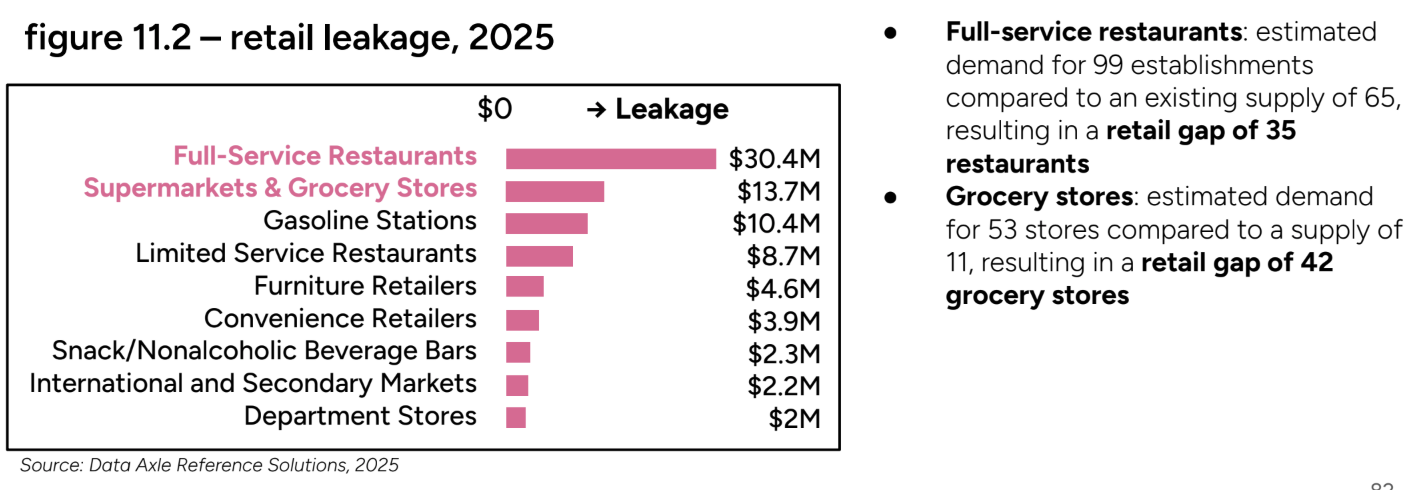
2025 Studio Mermaid Avenue Business Intercept Survey
145 Surveys
Total verified businesses documented along the corridor
13 Direct Interviews
In-depth conversations with business owners
103 Years of Service
Longest operating business in the survey area
Critical Challenges Facing Business Owners
Safety Concerns: Public Safety improvements and better street lighting emerged as a top priority.
Infrastructure Needs: The corridor faces outdated streetscapes and facades, limited public-space amenities, and a pressing need for pedestrian-focused improvements.
Retail Diversity: Strong desire for speciality shops:fish markets, bakeries, flower shops and full service grocers beyond bodegas
Cost Pressures: Rising commercial rents and seasonal sales fluctuations threaten long-term viability for established businesses
Development Impact: Mixed reactions to new construction: appreciation for foot traffic balanced against affordability concerns
Previous Methods
The Fall 2024 studio also hosted several community engagement events that contributed to the People’s Plan for Coney Island. This included:
52 survey responses
12 informal interviews
Four in-depth interviews
One focus group
Looking Forward
Mermaid Avenue's small-business ecosystem stands at a critical juncture. These enterprises are community-rooted but economically fragile, with service-oriented tenants balancing deep neighborhood loyalty against mounting concerns over safety, rising costs, and the need for greater retail diversity.
The businesses surveyed demonstrate remarkable resilience and commitment to their community. However, without strategic interventions addressing public safety, infrastructure improvements, and economic development support, this historic commercial corridor risks losing the diverse mix of local businesses that give it character and serve essential neighborhood needs.
The path forward requires collaborative action among business owners, community stakeholders, and local government to preserve Mermaid Avenue's commercial vitality while adapting to changing neighborhood dynamics.
Community Insights
-
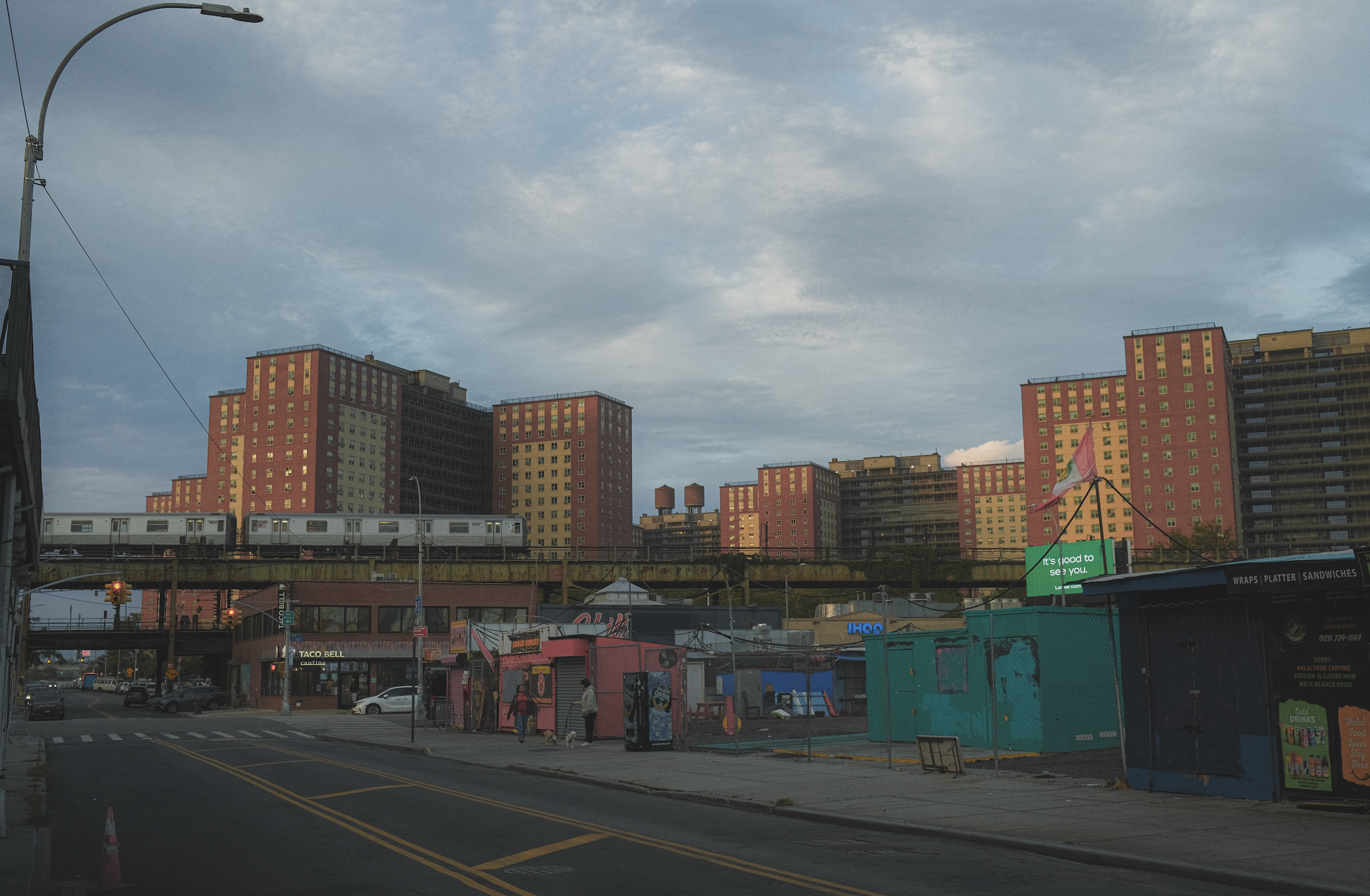
“We should have more business we don’t have a fish market or a bakery which we used to have. We have to go out because businesses can’t afford the raising rents”
- Stillwell Optical Employee
-
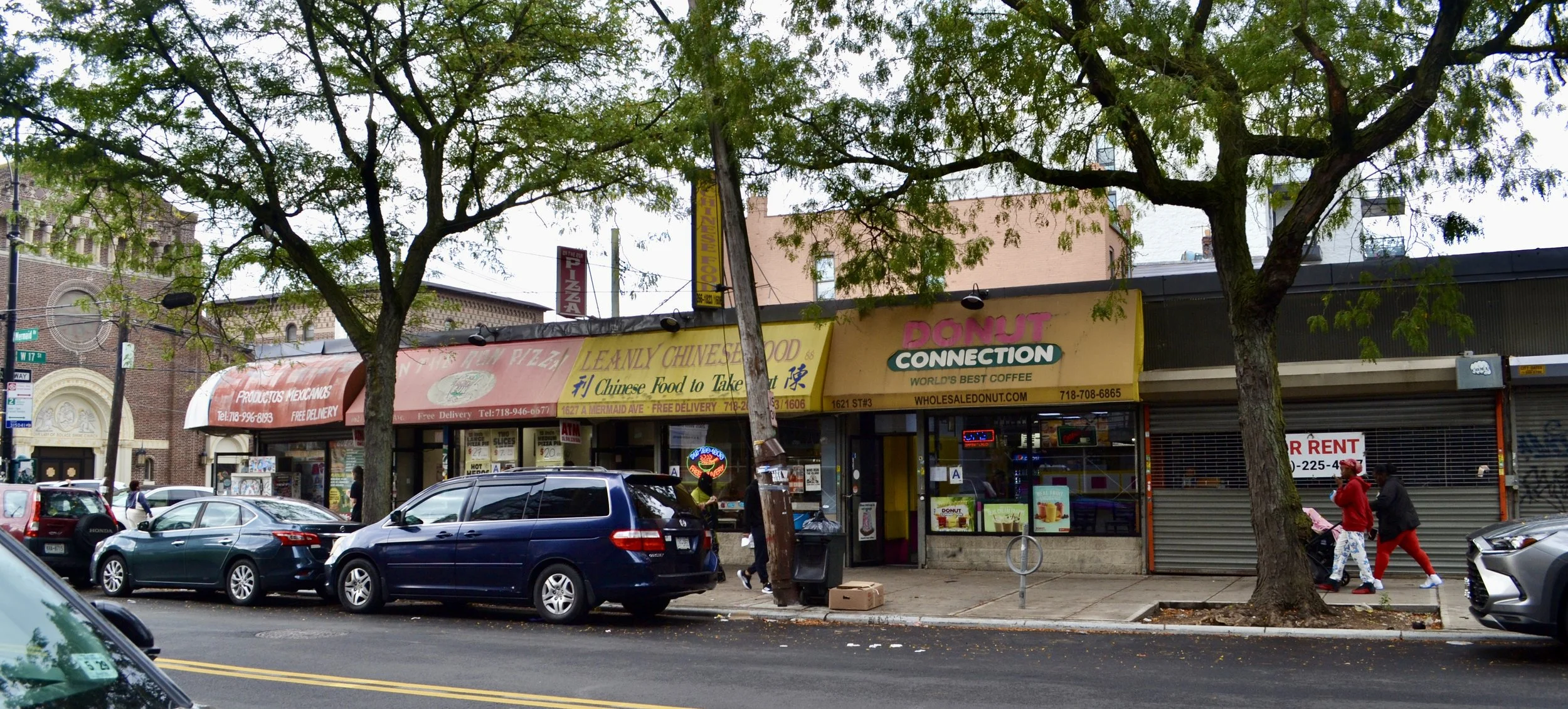
“Connecting residents, nonprofits, and small businesses can help maintain the neighborhood’s vitality and unique character.”
- Coney Island Community Member
-
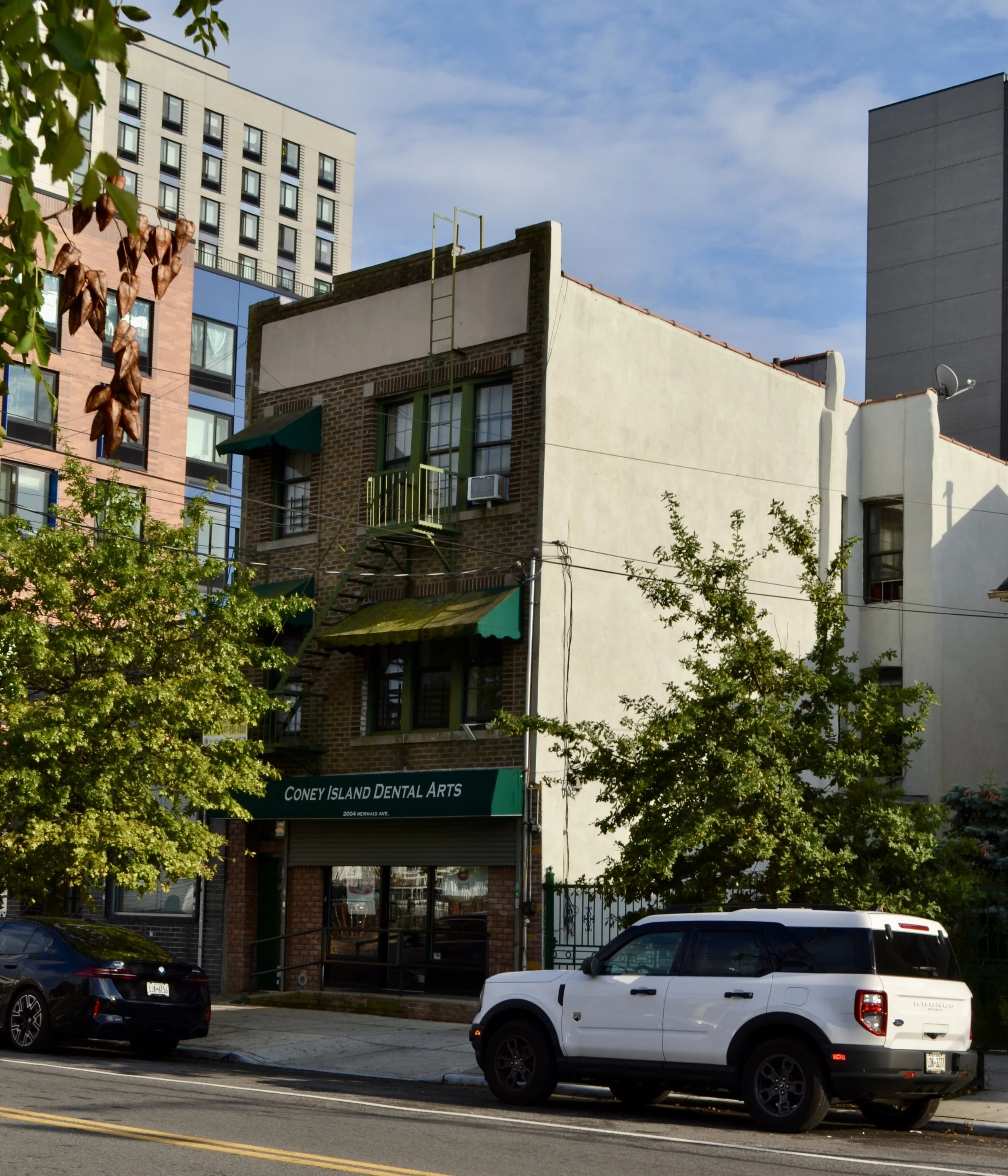
"This pharmacy has been around for 103 years serving the community."
- Friscia Pharmacy
Strengthen Neighborhood Identity and Small Business Vitality through Grassroots Placemaking
Across engagement efforts, residents consistently highlighted the need for clearer communication between development processes and the community, more functional and equitable commercial corridors that serve year-round needs, and stronger neighborhood branding tools that elevate local businesses beyond the seasonal tourism economy. Together, these themes point toward a regenerative economic framework rooted in accountability, accessibility, and local ownership.
-
Residents identified a vital need for improved transparency and communication between ongoing development activities and the broader community.
The Community Dashboard concept emerged within the studios as a potential tool to centralize information on projects, timelines, approvals, and neighborhood impacts in an accessible, publicly available format. This system is intended to strengthen accountability, reduce information gaps, and ensure that residents are able to meaningfully track and engage with development decisions shaping their neighborhood.
-
Community feedback underscored the importance of reimagining key commercial corridors to better serve year-round residents, not only seasonal visitors.
The studios’ C.I.R.C.L.E concept proposes a more integrated and resident-centered approach to commercial revitalization that prioritizes access to essential goods and services such as groceries, pharmacies, healthcare, and everyday retail. By addressing gaps in continuity and functionality along primary corridors, this approach aims to restore walkability, strengthen local circulation, and ensure that neighborhood infrastructure supports daily life.
-
Residents and stakeholders also emphasized the need to strengthen the visibility and recognition of locally owned businesses through coordinated neighborhood branding strategies. Building on the 2024 Community Branding concept, this approach focuses on promoting small businesses both within Coney Island and beyond the tourist season, ensuring that local entrepreneurs are not overshadowed by seasonal commercial activity.
By elevating neighborhood identity and storytelling, this strategy seeks to strengthen economic resilience, support local ownership, and reinforce Coney Island’s year-round commercial ecosystem.